An introduction to David Bowie
Everything you need to know about the legend of David Bowie

They say reality itself shifted on its axis when David Bowie died in 2016.
A performer, artist, singer, writer, film star, designer and cultural icon, he is, for many, the greatest musician of the 20th century.
The genius of Bowie is that he is almost undefinable, and yet his influence can be seen (and heard) in almost every corner of pop culture, fashion and music.
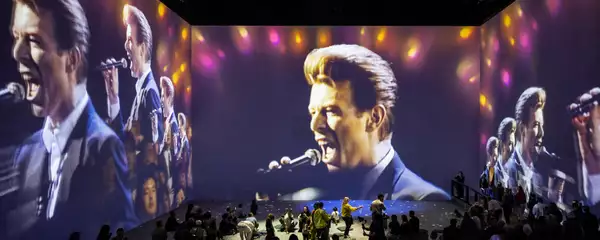
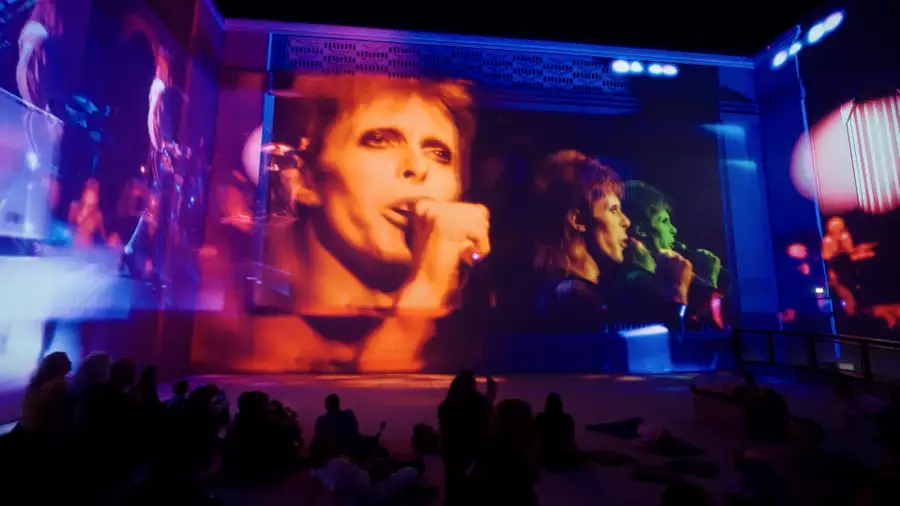
Discover the man in his own words this winter with David Bowie: You’re Not Alone – an immersive experience coming to Aviva Studios.
But first, here is everything you need to know about the legend of Bowie.
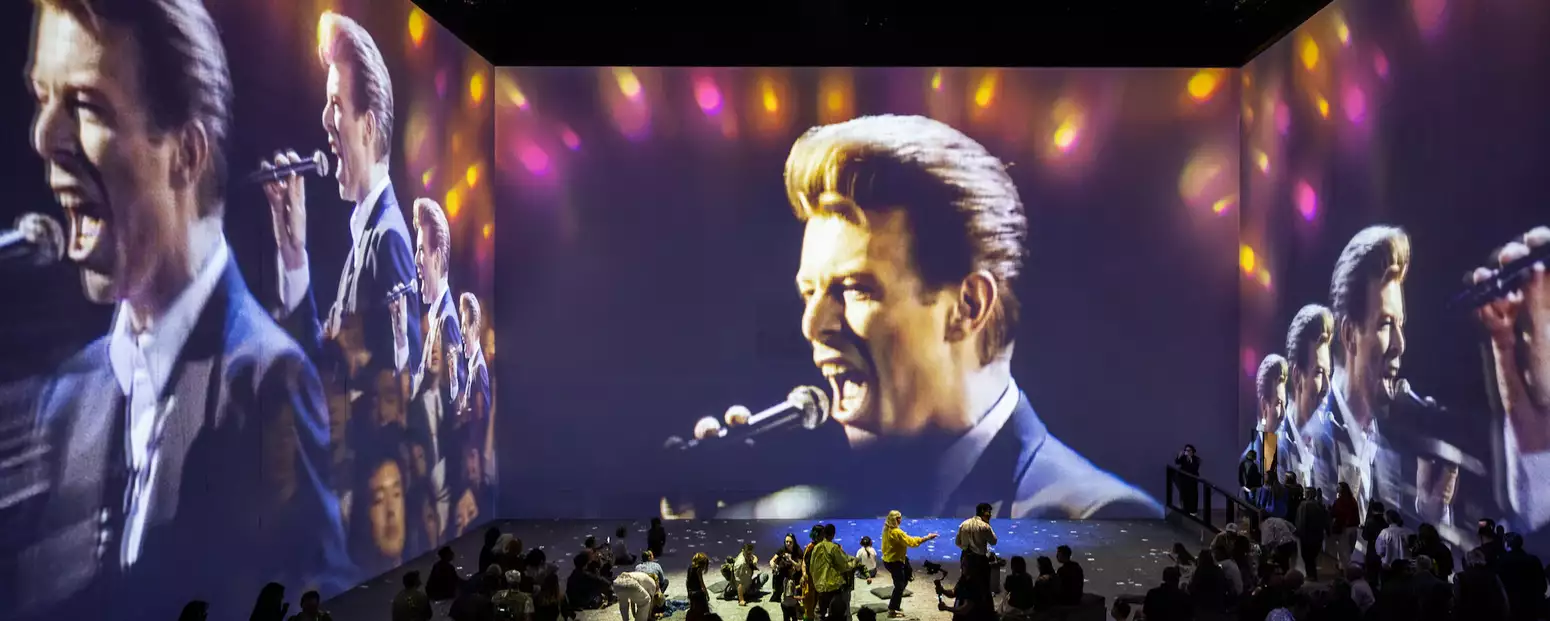
David Bowie: You're Not Alone. Lightroom, 2025.
Early Life – The London Boys
Born in 1947 in post-war Britain, David Jones lived in a London two-up two-down before he left suburbia behind. Although undergoing regeneration and redevelopment, Soho was home to a burgeoning bohemia, a musical capital as the swinging sixties blossomed. Alongside music, an avant-garde theatre world emerged rooted in new ideas, alternative performance styles and crossing art forms.
Against this backdrop, David joined bands and released music under Davie Jones, but by 1966 he was David Bowie. In ‘67, Bowie met Lindsay Kemp, a mime artist, dancer and performer who would influence him and his style. Kemp taught the young Bowie about the embrace of art, of costume, lighting and crafting a performance.
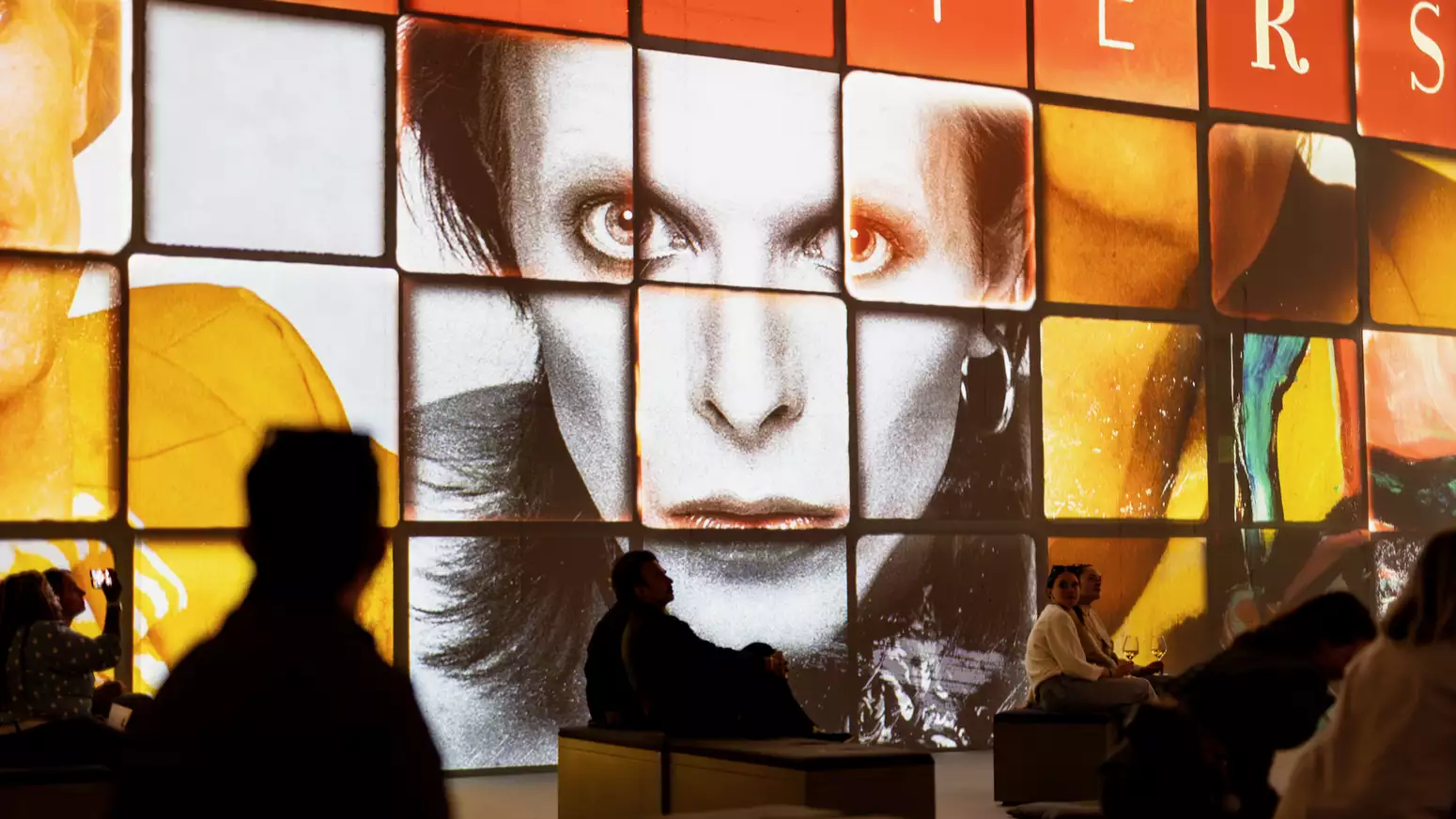
David Bowie: You're Not Alone. Lightroom, 2025.
Releasing Music – A Space Oddity
Shortly after seeing Stanley Kubrick’s 2001: A Space Odyssey, Bowie crafted the single ‘Space Oddity’. The song, and those of his first album that preceded it, were instances of him absorbing the narrative of the world around him, moulding it through his own lens and releasing it into the world.
The album David Bowie (aka Space Oddity), was followed by The Man Who Sold the World Hunky Dory and then his fifth studio album, the legendary The Rise and Fall of Ziggy Stardust and the Spiders from Mars.
In 1972, his performance of ‘Starman’ on an episode of Top of the Pops, Ziggy Stardust – Bowie’s alter-ego – was introduced into living rooms across the UK. An alien figure with otherworldly charisma, Ziggy Stardust led the ‘70s into glam punk rock with an explosion of colour and high fashion. In the ensuing tours, Bowie began creative partnerships with couture and design houses, crafting silhouettes and visual manifestations to define each character and performance.
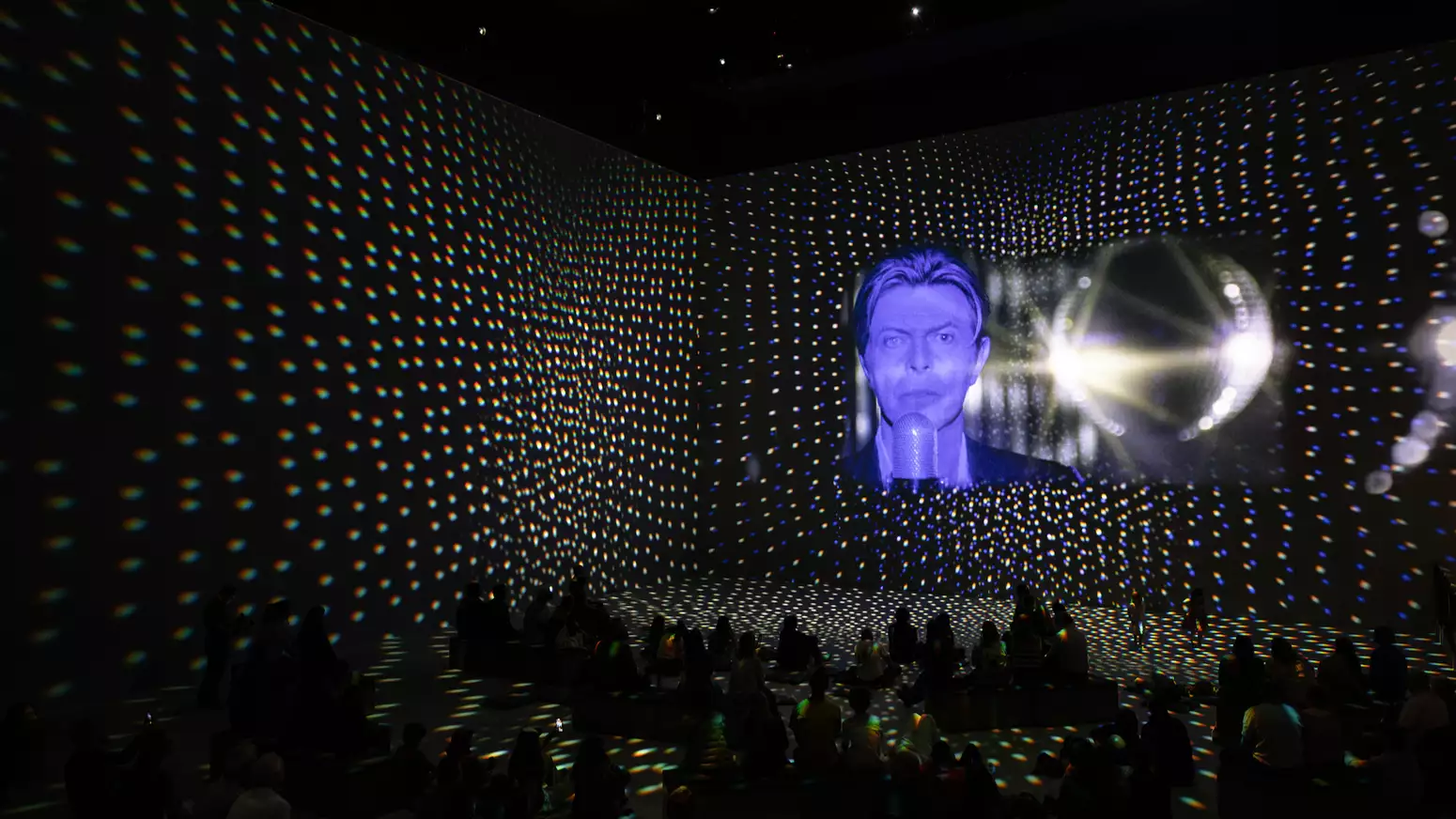
David Bowie: You're Not Alone. Lightroom, 2025.
The Power of Reinvention
There is no single David Bowie. His power of reinvention, and his ability to create new characters and identities using fashion and design, tells as powerful a story as the music.
On the Ziggy Stardust and Aladdin Sane tours, Bowie wore colourful, iconic outfits by designers including Freddie Burretti and Kansai Yamamoto. By the mid-1970s and Station to Station, Bowie favoured a minimalist, slick look with the persona The Thin White Duke. These creative personas are as theatrical as they are musical, delving further into performance as revelation as Bowie’s style and music evolves.
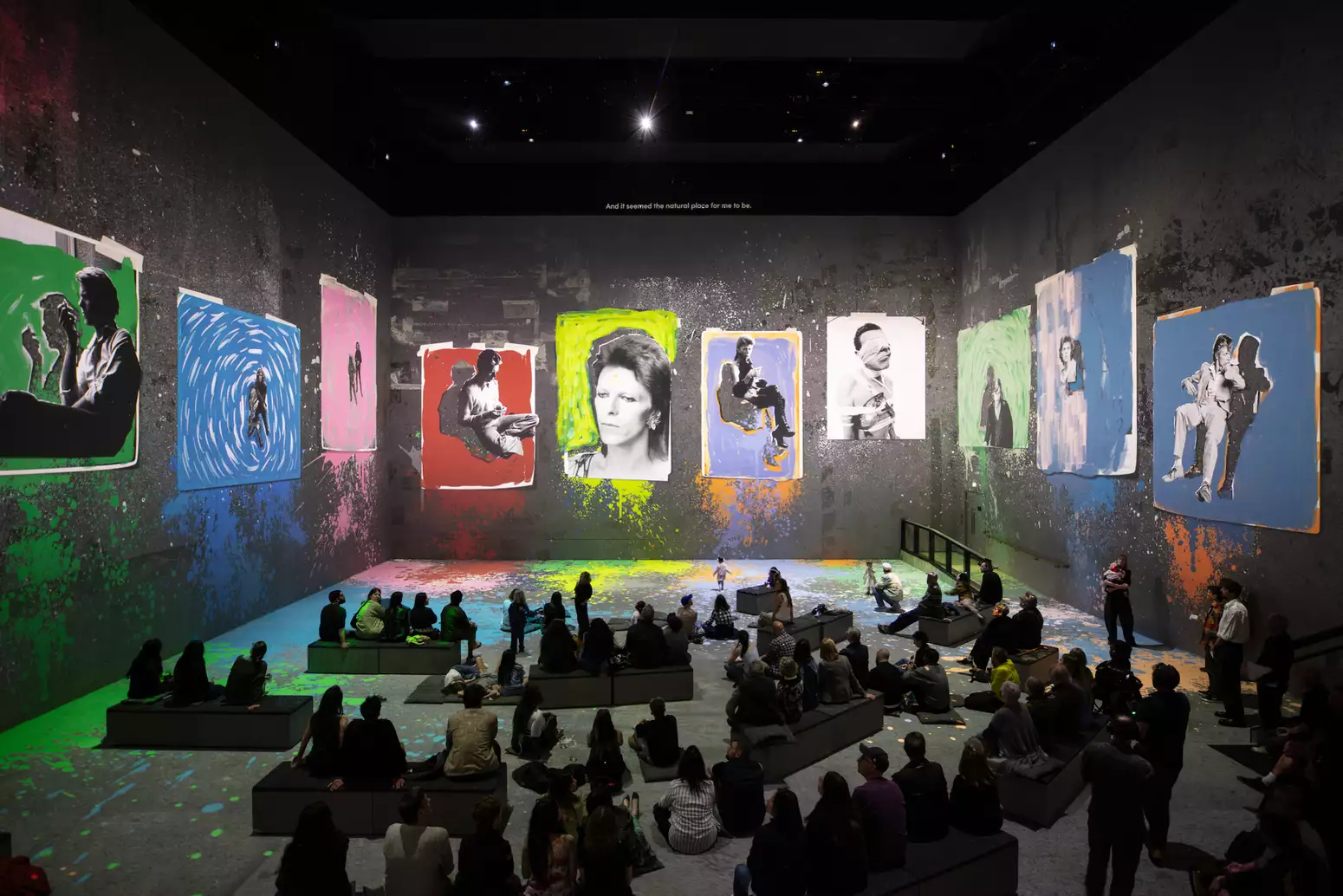
David Bowie: You're Not Alone. Lightroom, 2025.
Branching out
Artistic collaboration is a major feature of Bowie’s work. Throughout the ‘70s, ‘80s and ‘90s, he partnered with some of the most famous artists in the world – including Lou Reed and Iggy Pop and Brian Eno in the seminal Berlin years and Nile Rodgers for Let’s Dance and Black Tie White Noise.
Such collaborations kept Bowie evolving as an artist, influencing his music style – from the experimental Berlin Trilogy to the rock and disco infused Let’s Dance and beyond. By the early ‘80s, Bowie had embarked on the Serious Moonlight tour to huge crowds in stadiums around the world.
Bowie’s first major roles on the big screen were in cult classics like The Man Who Fell to Earth and The Hunger. In 1986, he delivered one of his most enduring performances as Jareth, the Goblin King, in Labyrinth – Jim Henson’s surreal fairy tale.
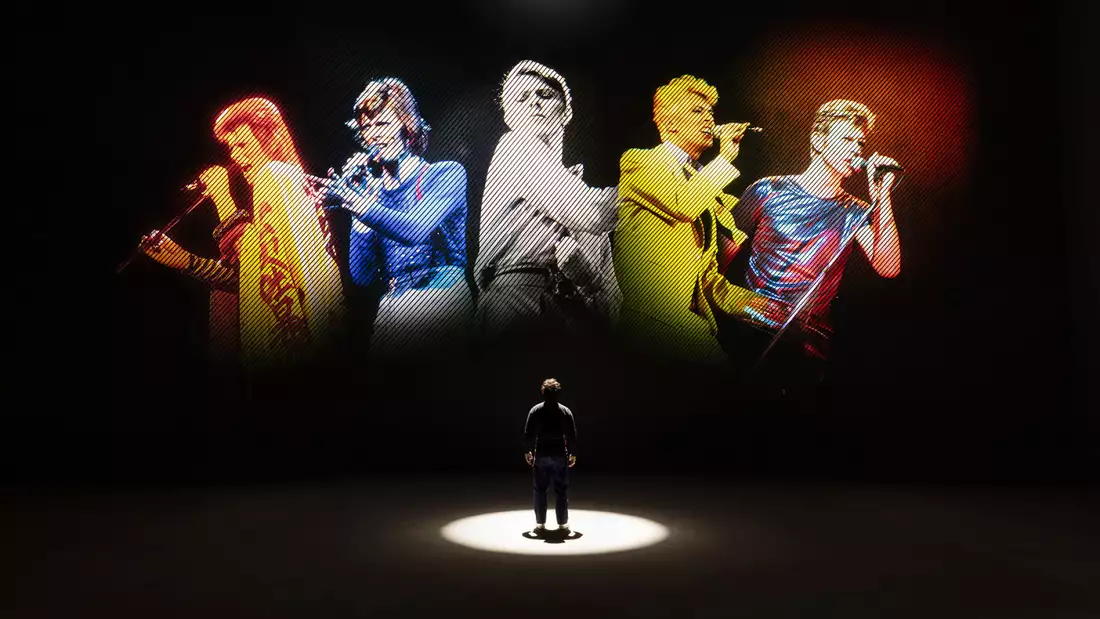
David Bowie: You're Not Alone trailer | Factory International
Enduring legacy
From the early 2000s until the release of his final album ★ (Blackstar) in 2016, Bowie solidified his position as a cultural icon and one of the world’s leading artists and performers.
Since his death, major exhibitions have reflected on his legacy and his ability to push boundaries and redefine genre while playing a central role in art and popular culture. Current artists ranging from Janelle Monae and Lady Gaga to Robert Smith (The Cure) and Nine Inch Nails, have cited him as an influence.
For a visual representation of many Bowie tropes, see the 1997 cover of Earthling featuring Bowie in an Alexander McQueen Union Flag coat in a British Pastoral setting. Bowie is fashion, post-punk, with a Britishness and an ability to modernise traditional motifs with a fresh twist.